



Prevention starts with seeing the risk.
AI-powered environmental hazard identification designed to support earlier, more accessible falls prevention. No app download. No login. No integration. Instant feedback.
Environmental risks are not a small part of falls prevention. Falls prevention rightly includes strength and balance, medication reviews, vision, frailty and multifactorial assessment.
But the environment matters too.
A loose rug, poor lighting, a trailing cable or an obstructed walkway can become a serious risk, particularly for someone whose balance, mobility or confidence has changed. The evidence shows that reducing environmental hazards can make a meaningful difference.

1 in 3
This is the title
26%
1 in 3
38%
SMALL CHANGES, BIG IMPACT
Making a home safer doesn’t have to mean costly alterations. When you live somewhere every day, it’s easy to stop noticing the little things, the cable tucked behind a chair, the rug that’s been there for years, the shoes by the door, or a hallway bulb that’s gone a bit dim.
Because they’re familiar, they simply blend into the background. A fresh pair of eyes gives people and families a gentle prompt to look again and make the simple, small changes that have a big impact.
A simple way to look again. OurLens adds a rapid visual layer to environmental awareness. It is designed to fit around existing workflows, not create another complicated process.
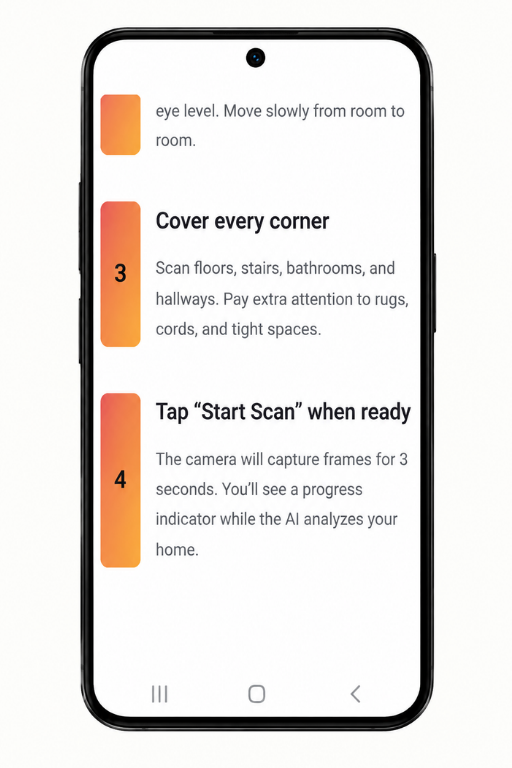
Open App
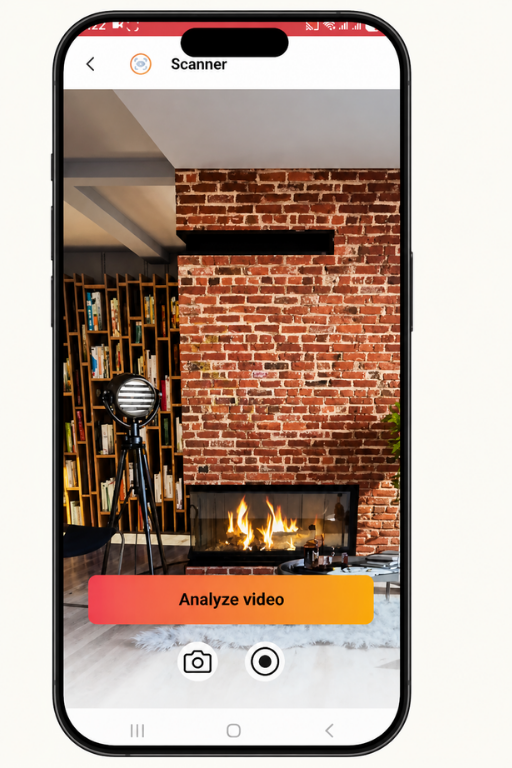
Scan
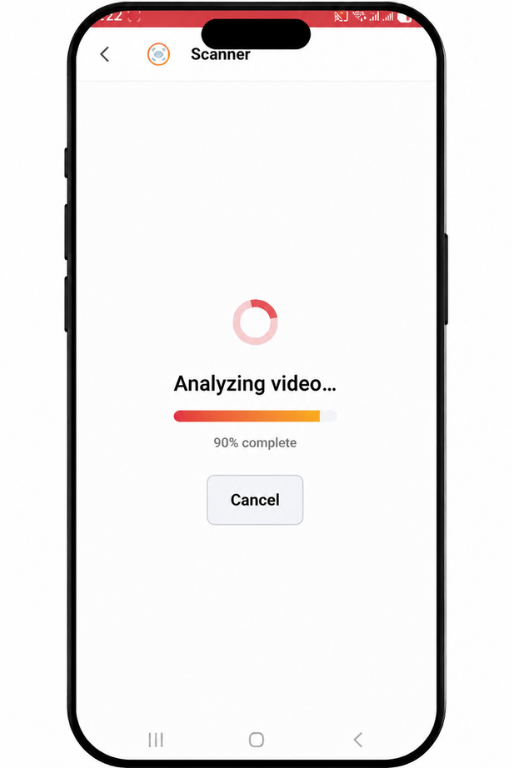
Analyse
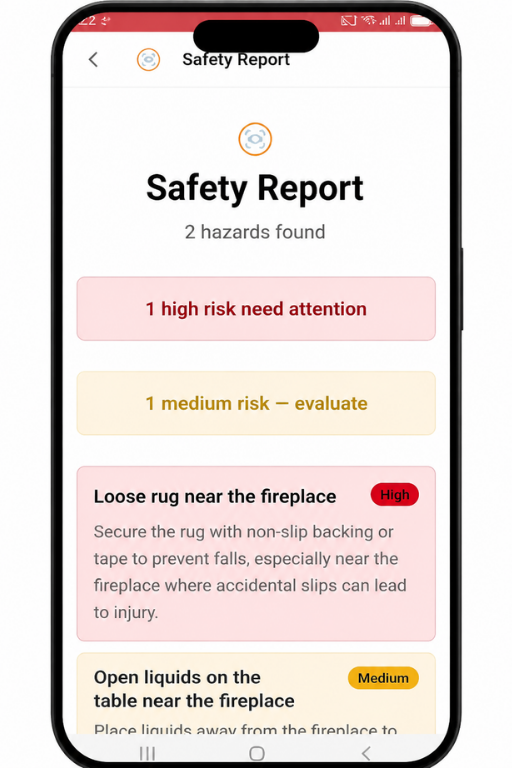
Report
Built to support, never replace. OurLens is deliberately simple. It highlights potential hazards to help people look again and consider what action may be appropriate. It does not make clinical decisions, replace professional judgement or take the place of a formal risk assessment.
What happens when people start seeing the risks they've stopped noticing?
We explored OurLens across three real-world use cases: home and family safety, remote and hybrid working environments, and family care. The findings suggest that a simple visual assessment can help people identify potential hazards, build awareness and prompt practical action.
84%
90%
3

2 x
70%
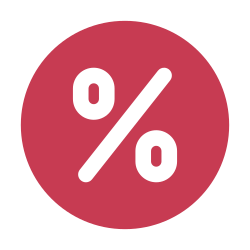
95%
What stood out? The strongest finding was not simply the number of hazards identified, it was what happened after people saw them. Participants described noticing things they had become used to overlooking, from unsecured rugs and trailing cables to objects left in walking routes and poor lighting.
In the family care comparison, the OurLens group identified an average of approximately 3.4 hazards per room assessment, compared with approximately 1.5 through traditional self-assessment, more than twice as many potential hazards identified on average.

“Pottering in the garden is Dad’s favourite thing to do, he’d be devastated if we took that away from him. Ourlens highlighted uneven flags, the pots on his walking route, and a step that was easy to miss. Moving the pots to one side, relaying the uneven flags, and painting a bright white line on the step were simple weekend jobs—and now he can get in and out independently.” Family caregiver

“Because we’re there every day and keep everything tidy, I didn’t think it was going to show any hazards. The reports showed that lighting in the hallway made the stairs harder for Mum to see, that the pile of laundry on the landing was narrowing her walkway, and that the dog lying on the stairs was a trip hazard. I hadn’t really thought about Mum’s eyesight. We put a brighter bulb in the hallway, fitted a gate at the bottom to keep the dog off the stairs, and cleared the landing. Makes you think, doesn’t it?”